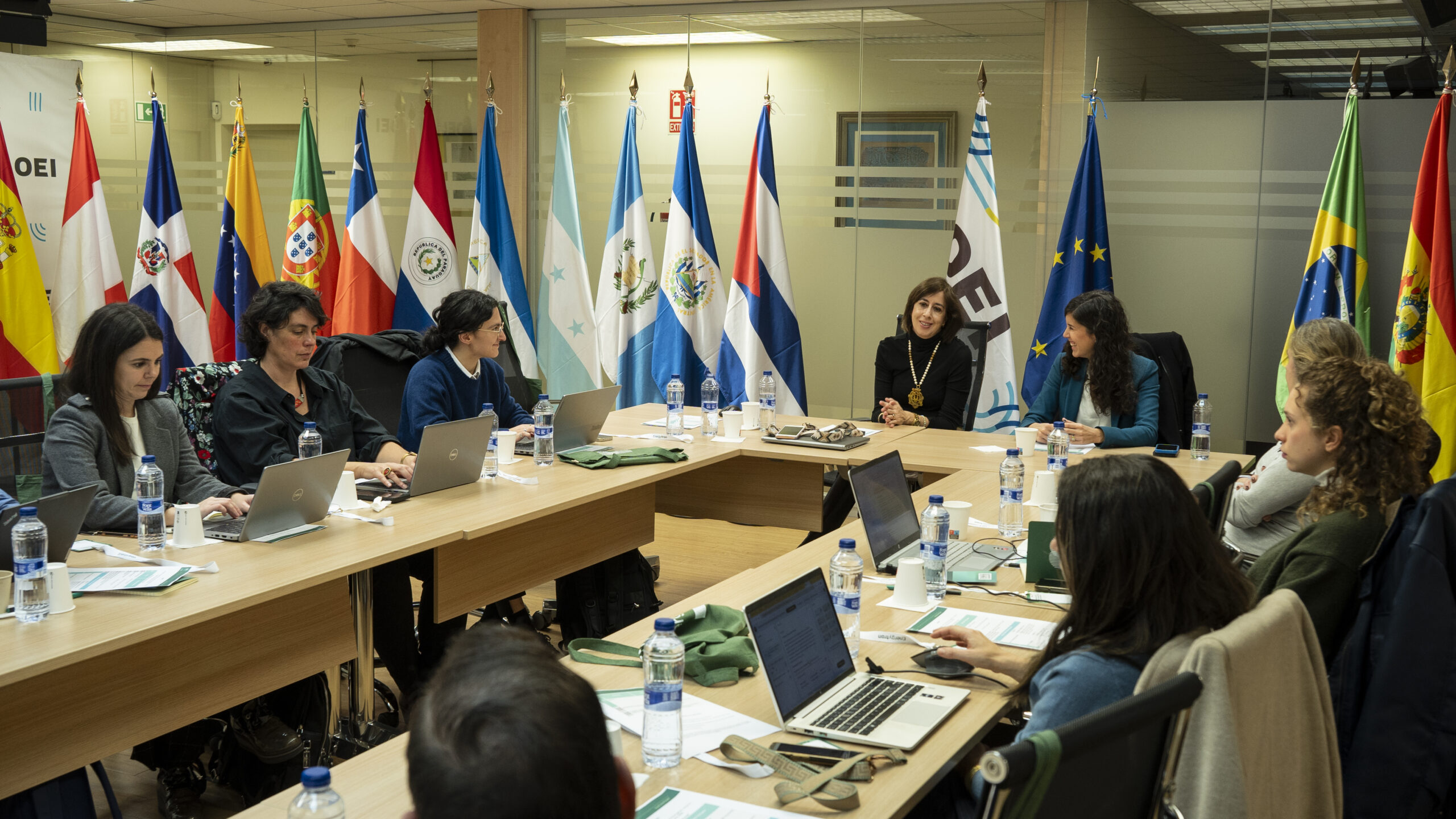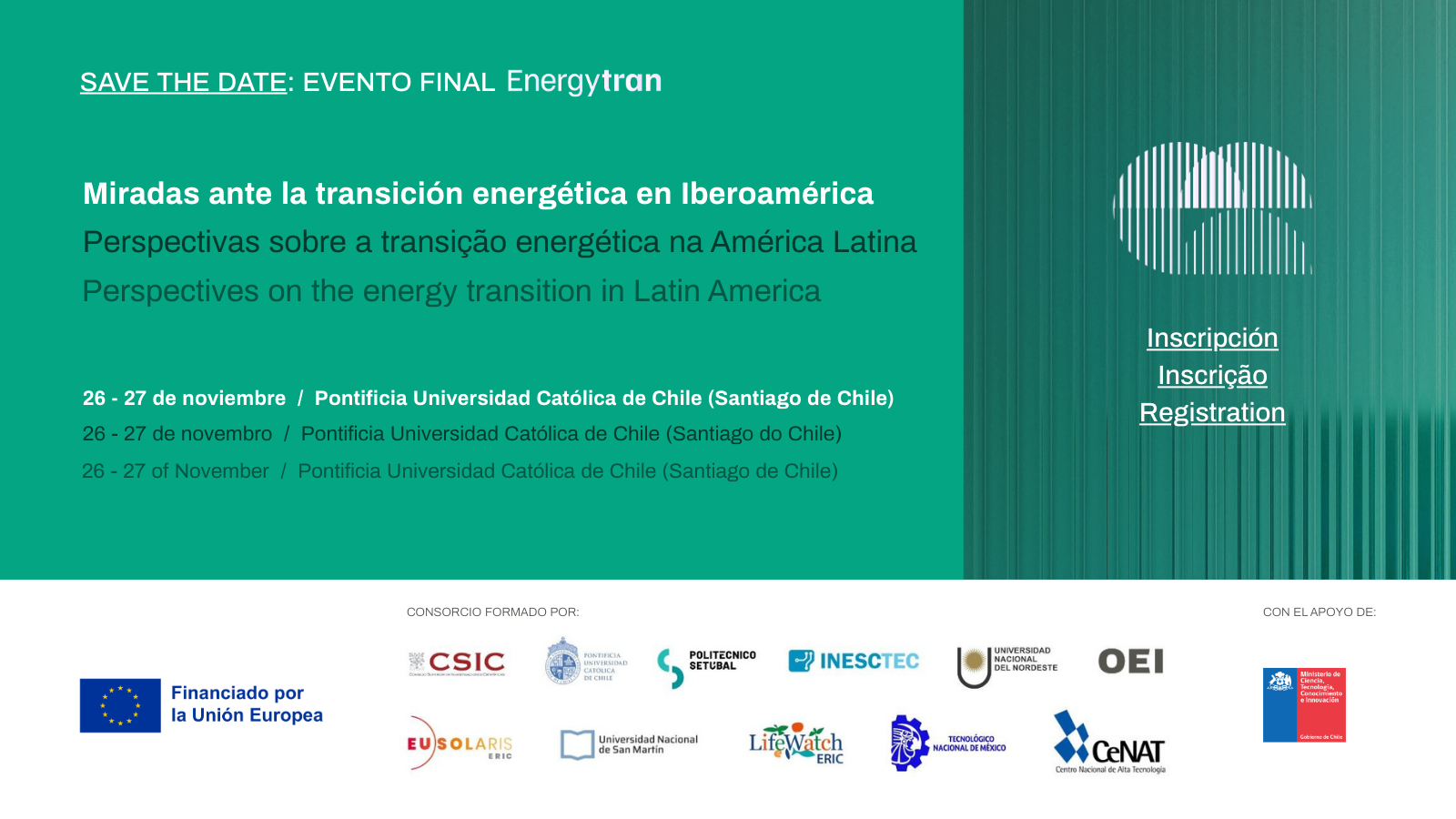
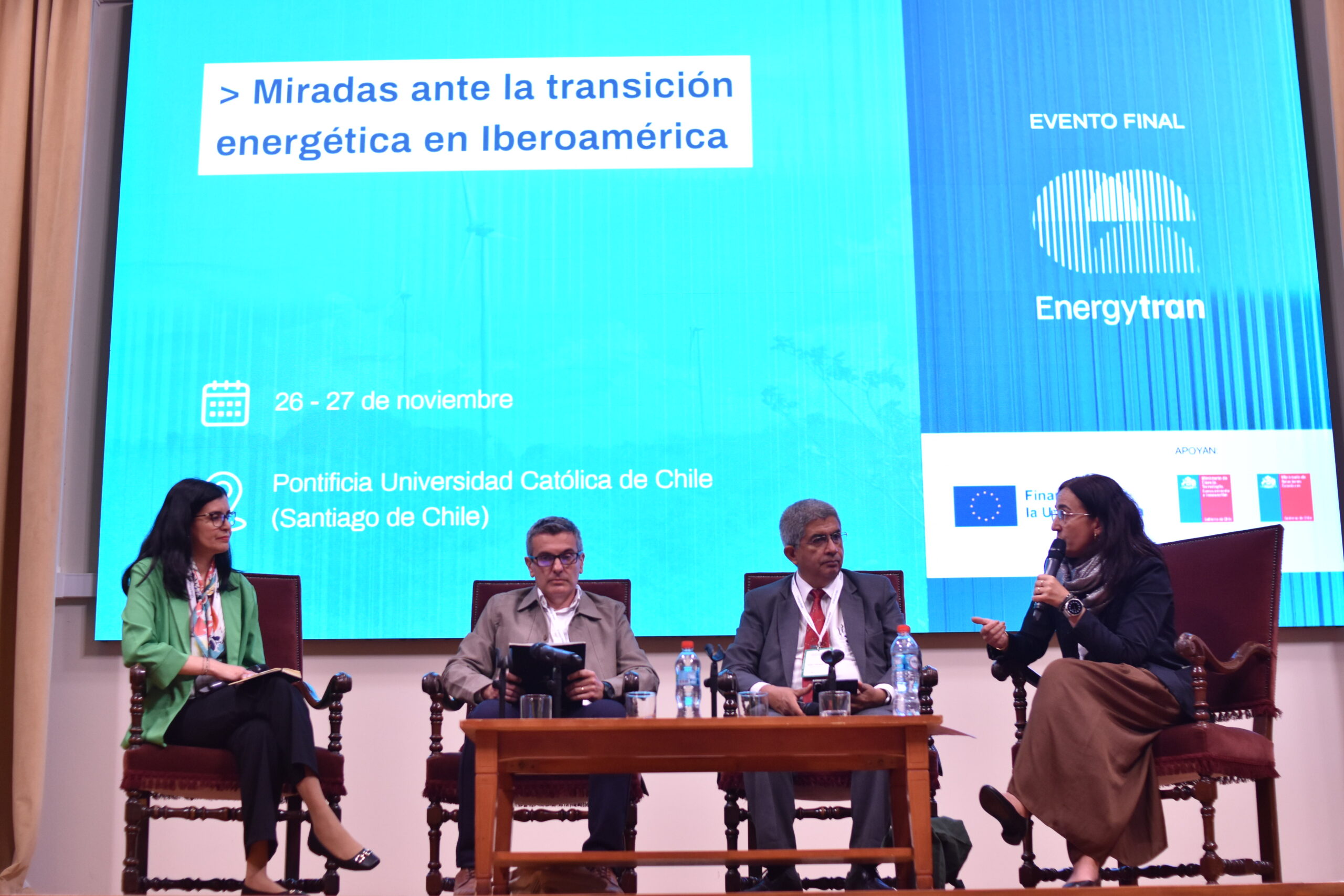
On 26 and 27 November, the Pontificia Universidad Católica de Chile hosted the final event of the EULAC for Energy Transition (Energytran) project, an international initiative that over the past two years has strengthened scientific cooperation between Europe and Latin America and the Caribbean to jointly address the challenges of the energy transition.
Under the title “Perspectives on the Energy Transition in Ibero-America,” the meeting brought together representatives from research centers, universities, public institutions, companies, civil society, and international organizations to share the project’s results and reflect on the next steps toward a clean, sustainable, and fair energy transition.
The Energytran project, funded by the Horizon Europe program, has promoted knowledge exchange between research infrastructures in both regions, involving more than 300 researchers and over 60 institutions. Its main achievements include 40 scientific mobilities, 7 publications, 3 international events, 3 digital tools, and a specialized course.
Coordinated by the Organization of Ibero-American States for Education, Science, and Culture (OEI), the consortium is composed of 11 partners from Europe and Latin America, including entities such as EU-Solaris ERIC, LifeWatch ERIC, Spain’s CSIC, Portugal’s Instituto Politécnico de Setúbal and INESCTEC, as well as universities and research centers from Chile, Mexico, Argentina, and Costa Rica.